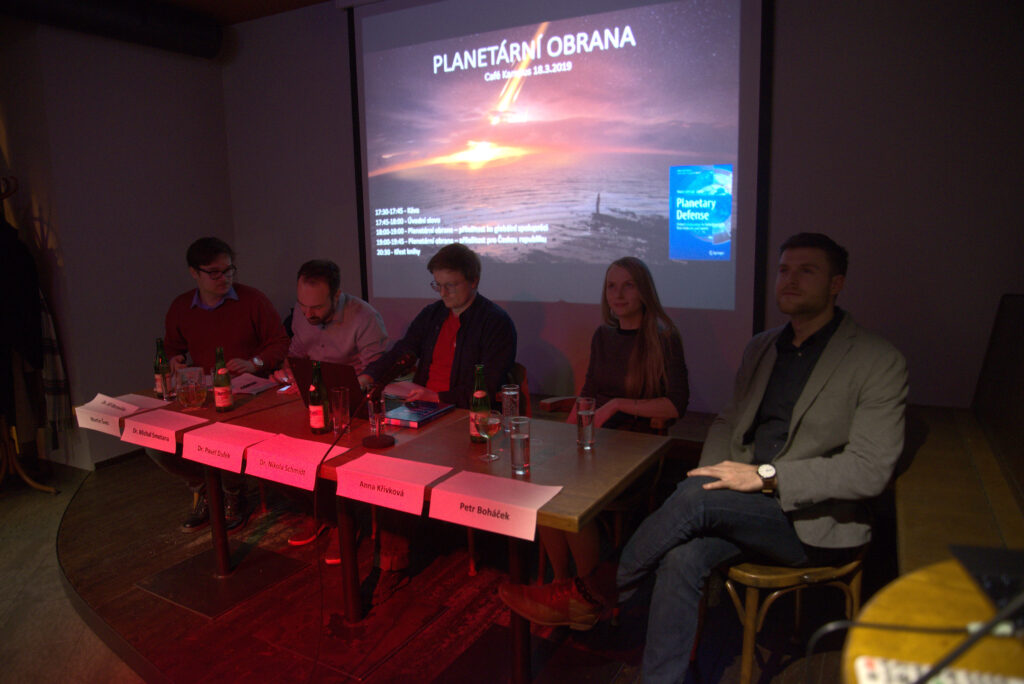
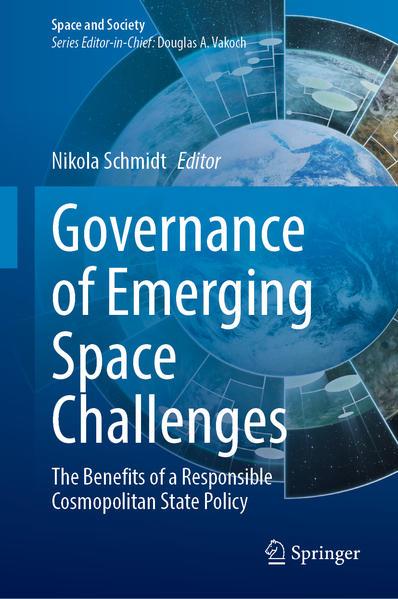
(CS) Následující sourhnná zpráva je vhodná k zorientování se v celém projektu, jeho dosažených cílů a všech výsledků.
(EN) The following (machine translated) final report is good for getting brief orientation in the project, its achieved objectives and all results.
Petr Boháček
Abstract
The use of lasers in space is a technology area with plenty of promises for addressing challenges faced by humanity (space debris, space traffic management, planetary defense) and advancing human presence in space (space exploration, propulsion, space resource utilization). However, with this great potential comes an equal amount of risks of its intentional and unintentional misuse. We review both the beneficial and harmful uses of lasers in space and offer an analysis of the main policy challenges for mitigating the risks of misuse. With intent identification, attribution, and dual-use nature of the technology representing the main sources of mutual insecurity, transparency, and information sharing can address them. However, as we outline why the existing international space governance is unlikely to produce new norms on preventing misuse of lasers in space, we turn to discuss the existing practice and the prospects of new non-state actors using them to usher in new international norms for use of lasers in space.
Adriana Lenkavská, Nikola Schmidt
Key considerations
- Planetary defense (PD) is mentioned in national strategic documents of dozens of states. It may vary from being a dedicated strategy of planetary defense, direct mentionting of planetary defense or being approached as a part of SSA (Space Situational Awareness).
- Global security perspective prevails over the national one, respectively a low number of states understand planetary defense as a solely national security issue.
- Because of the policy dependency on excellent science and high-end industrial capacities, huge majority of states are approaching PD as an opportunity to excel in science and support emerging industries.
- Understanding PD as a national prestige is present, albeit in a very low number of states. However, we can still find 19th century kind of national exceptionalism language.
- Understanding PD as an opportunity to develop national welfare was found in a slight majority, however, PD as a way to global welfare is low. Welfare is not necessarily only a link of PD to future asteroid mining, but states visibly don’t see much broad basis for international cooperation in this regard.
- Finally, we can say that PD is understood as a global challenge that requires international collaboration but not necessarily see shared benefits from it.
20. 12. 2021 – Skautský institut
10. 11. 2021 – HiLase
Following the event in 2019 about laser technologies applicable for space, we organized a similar one day event in 2021.
11.11. 2021 – Institute of International Relations
Following the previous event on Governance of Large Technical Systems, we continued the discussion over the next steps in the implementation of the initiative Peaceful Use of Lasers in Space.
25. – 26. 9. 2019 – HiLase Center
Event was divided (similarly as the one in 2021) into two sessions: technical/scientific and policy/strategic. First two days were at the HiLase laser center, third day was at the Toscan Palace. This is a page of the FIRST TWO days about Governance of Large Technical Systems.
27. 9. 2019 – Toscan Palace
Event was divided (similarly as the one in 2021) into two sessions: technical/scientific and policy/strategic. First two days were at the HiLase laser center, third day was at the Toscan Palace. This is a page of the THIRD day about Governance of Large Technical Systems.